Watch

A heart screening day.


In October 2014, the Chase Morris Foundation traveled to Seattle to learn the screening protocol from our partner organization, the Nick of Time Foundation. This video documents what a screening day looks like — intake, electrocardiogram, echocardiogram, and on-site cardiologist consultation.

The protocol

What we do, in the order we do it.


A standard pre-participation sports physical does not include any imaging of the heart. It is, in most cases, a stethoscope, a blood pressure cuff, and a checklist. The conditions that cause sudden cardiac arrest in young athletes — hypertrophic cardiomyopathy, anomalous coronary arteries, long QT syndrome, and others — are almost never detected by a stethoscope.

The foundation's screening event is built around the international protocol developed by sports cardiologists for exactly this population. Each student moves through five stations, in sequence, on the day of the event. The full process takes approximately 30 to 45 minutes per student. Every step is supervised by licensed clinicians.
1
Check-in & Health History

Intake

The student and parent complete a detailed cardiac health history, including any family history of unexplained sudden death, fainting episodes, chest pain, or unusual fatigue with exercise. Consent forms are signed at this stage. The intake form follows the recommendations of the American Heart Association's pre-participation evaluation guidelines.

2
Vital Signs

Blood Pressure & Heart Rate

Standard vitals are recorded by trained staff. Resting heart rate and blood pressure are noted alongside the health history. Abnormal vitals are flagged for the cardiologist's attention later in the screening.

3
Auscultation

Stethoscope Examination

A clinician listens for heart murmurs, irregular rhythms, and other abnormalities audible at rest. Auscultation alone misses most of the conditions associated with sudden cardiac death in young athletes — which is exactly why the protocol does not stop here.

4
Electrocardiogram

12-Lead ECG (Seattle Criteria)

A 12-lead electrocardiogram captures the electrical activity of the heart. The tracing is interpreted under the Seattle Criteria — the international standard for ECG interpretation in athletes, developed by an expert consensus panel and published in the British Journal of Sports Medicine in 2013, with updated international criteria in 2017. The Seattle Criteria reduce the false-positive rate of athlete ECG screening substantially while preserving sensitivity for serious conditions.

5
Echocardiogram

Cardiac Ultrasound

An echocardiogram is an ultrasound of the heart. It allows the screening team to evaluate the structure of the heart muscle directly — wall thickness, chamber dimensions, valve function, and the origin of the coronary arteries. Most United States screening programs do not include echocardiography because of cost. The foundation does, because the conditions that took Chase and others like him are most reliably detected when ECG and echo are read together.

6
Cardiologist Consultation

On-Site Physician Review

A board-certified pediatric cardiologist reviews each student's complete record on-site. Where the screening reveals findings that warrant follow-up, the cardiologist meets directly with the family, explains what was seen, and provides a clear pathway to definitive evaluation and care. Families receive printed copies of the ECG and echo for their own records and for their pediatrician.

In the gym

A screening, in pictures.

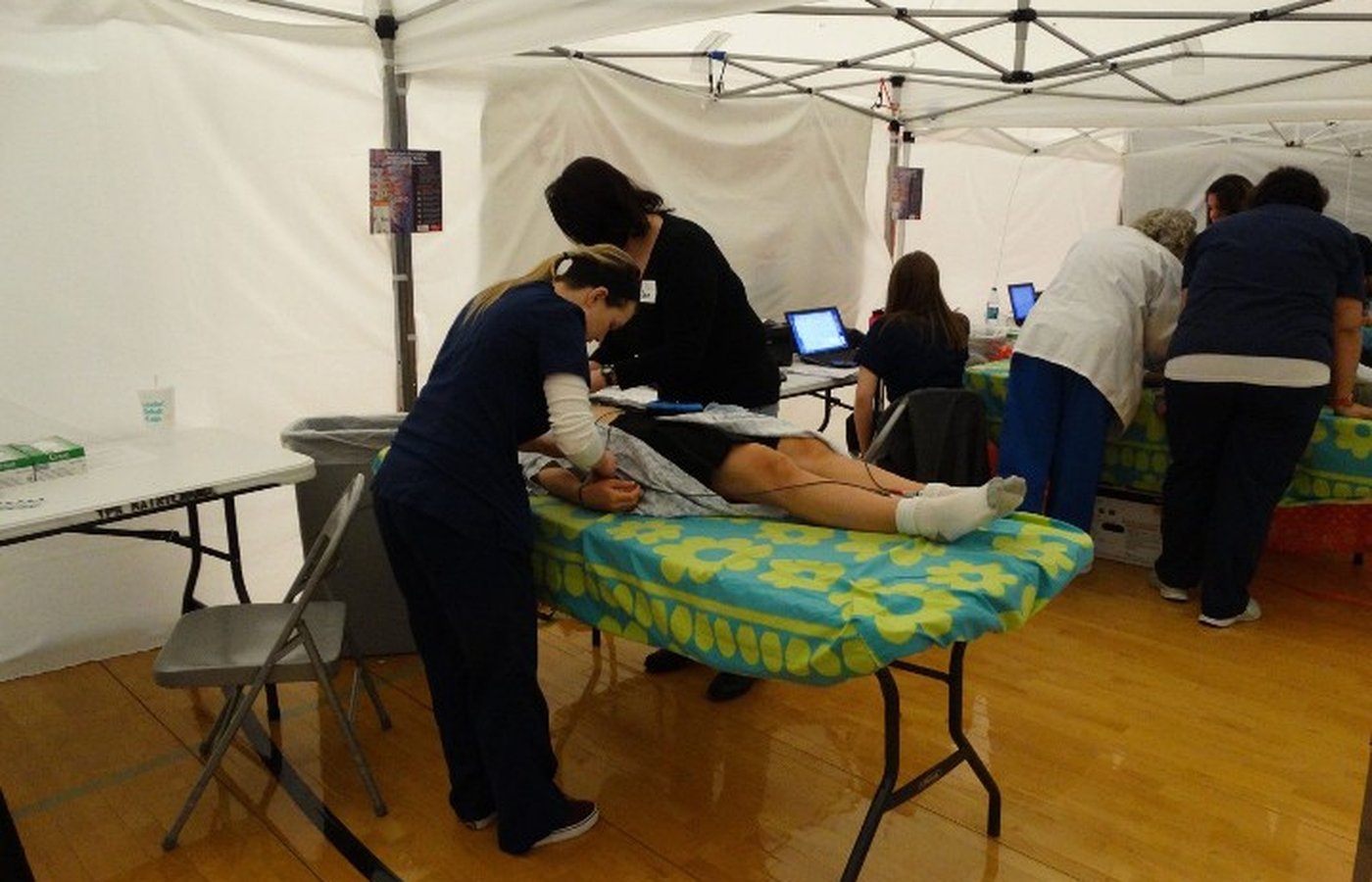
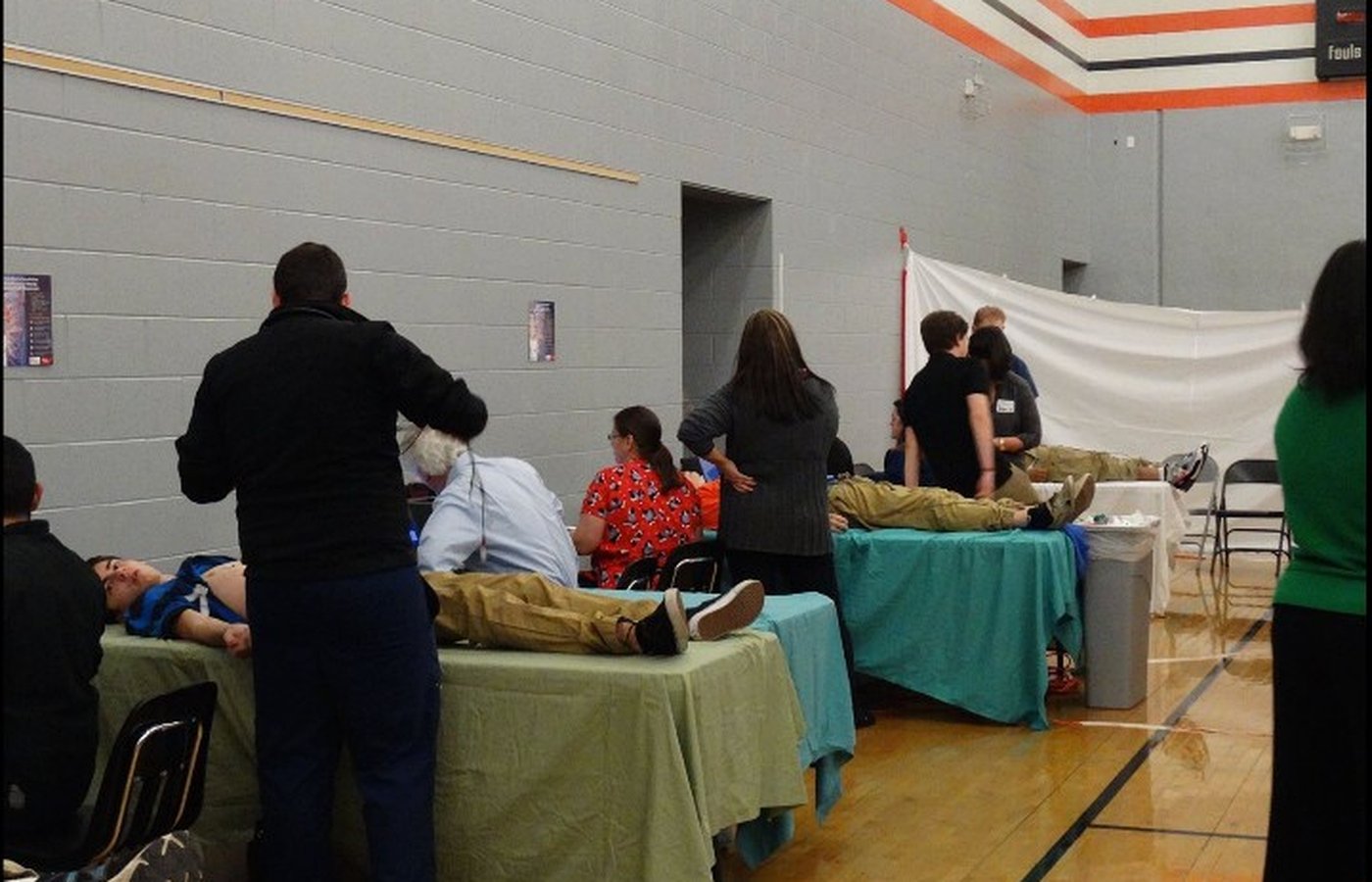
[ Wide gym shot — multiple screening tents and stations running in parallel ]
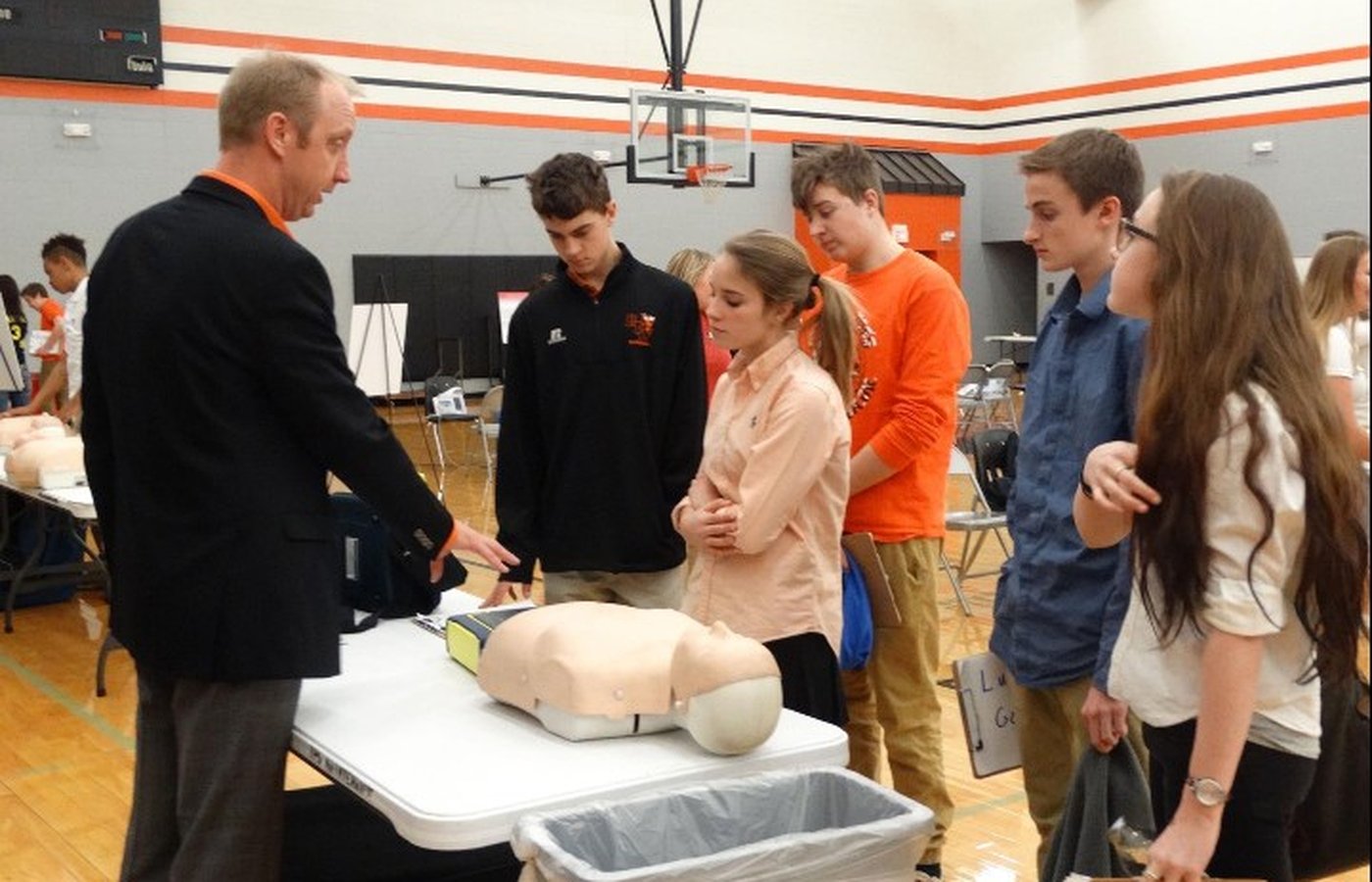
A foundation screening event, with intake, ECG, and echocardiogram stations running in parallel inside a school gymnasium.
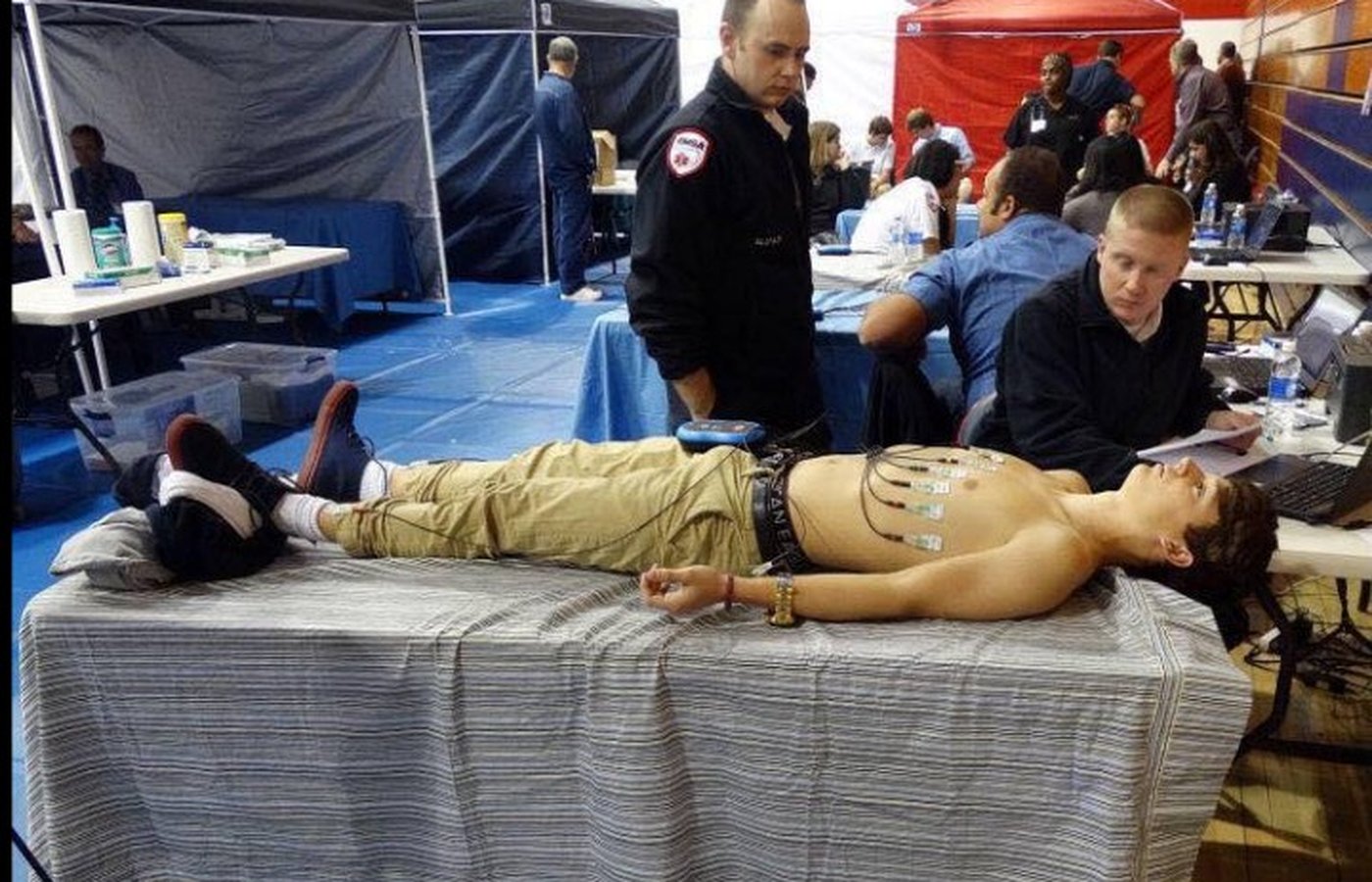
[ ECG station — student receiving 12-lead ECG ]
ECG station. A student receives a 12-lead electrocardiogram. Tracings are read on-site under the Seattle Criteria.
[ Echo station — sonographer working under privacy tent ]
Echocardiogram station. Privacy tents allow sonographers to capture detailed ultrasound images of each student's heart.
Where we have screened

A history of events.

Fall 2014  ·  First foundation screening

Metro Christian Academy, Tulsa

The foundation's first screening event was held at Metro Christian Academy in the fall of 2014 — sixteen months after Chase's death. Approximately 200 students were screened over the course of the day. Metro Christian is the alma mater of the foundation's lead pediatric cardiologist, who returned to his own high school to apply the international screening protocol he had spent his career studying. Three students were identified with cardiac findings that warranted urgent follow-up evaluation — conditions that had been previously unknown to the students and their families.

The Metro Christian event established the protocol the foundation has followed ever since. The cardiologist consulted with each affected family on-site. Each was given a clear pathway to definitive diagnosis. None of the affected students or their families had been aware, before the screening, that anything was wrong.

January 28, 2015  ·  Second foundation screening

Booker T. Washington High School, Tulsa Public Schools

The foundation's second screening was held in partnership with Tulsa Public Schools at Booker T. Washington High School on January 28, 2015. Approximately 300 students participated. Five students were identified with cardiac findings that warranted urgent follow-up evaluation — again, conditions previously unknown to the students or their families. Each affected family met on-site with the cardiologist and was given a clear pathway forward.

Oklahoma Insurance Commissioner John Doak attended and spoke at the event in support of the foundation and the legislation that would soon move through the state Capitol. The Tulsa Public Schools district publicized the event through its official communications channels, and News On 6 reporter Tess Maune covered it for the local CBS affiliate.

The Booker T. Washington event also included a memorial display for Chris Hanna, a Sand Springs High School senior and Tulsa Tech student who had died of suspected sudden cardiac arrest at a Tulsa restaurant in September 2014. The Hanna family stood with the Morris family that day. Their stories are joined on our In Memory page.

Numbers reflect contemporaneous foundation records of students screened and findings warranting urgent follow-up evaluation by the on-site cardiologist. Specific findings and patient identities are confidential and were communicated only to the affected families.

For schools and parents

Hosting a screening.

Schools, athletic programs, and parent organizations interested in hosting a Chase Morris Foundation screening event are invited to contact the foundation directly. We work with local cardiologists, sports medicine physicians, and partner organizations to make screening events possible at no cost to participating students or their families.

Hosting requirements typically include a gymnasium or similar large indoor space, scheduling time for student rotation through stations, and a school liaison to coordinate consent forms and student intake. The foundation handles the medical staffing, equipment, and clinical oversight.