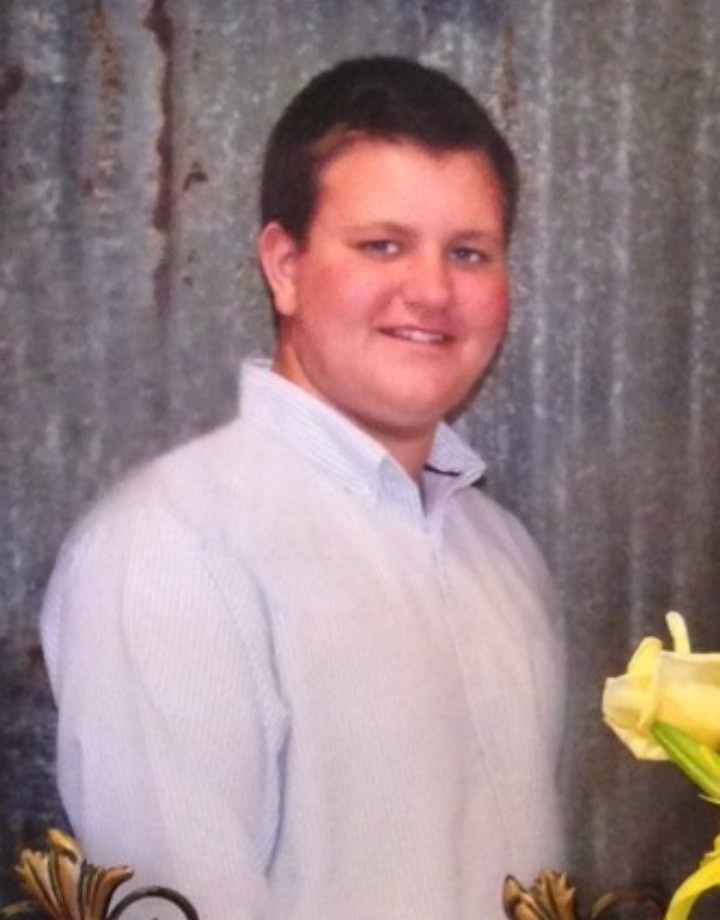
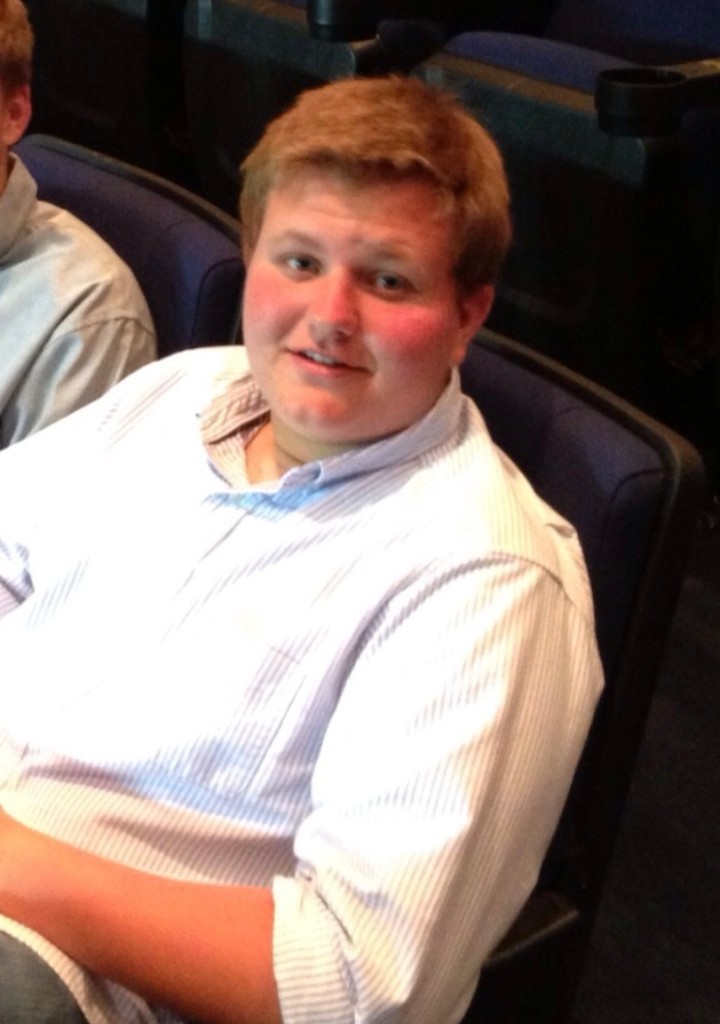
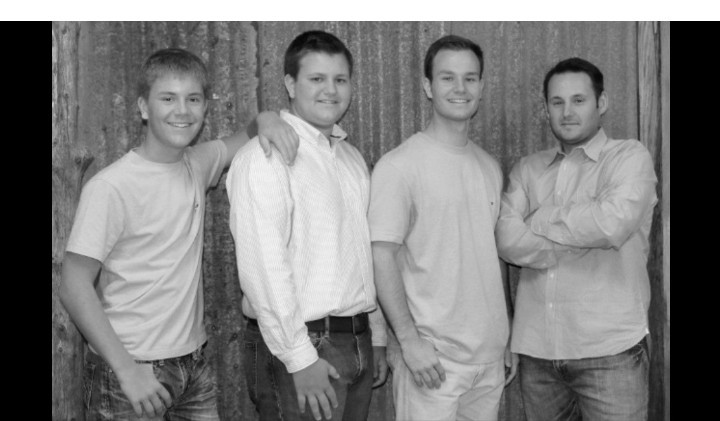
Chase Morris grew up in Oklahoma the way Oklahoma boys often do — with a baseball glove on the kitchen counter, football pads in the garage, and a basketball that never quite made it back into the hallway closet. He played all three through middle school. In his freshman year of high school he discovered tennis, and tennis quickly discovered him. Less than two years after picking up a racket, he and his doubles partner placed sixth in the Oklahoma state high school tournament. That was two weeks before he died.
He was the second of three brothers. The family he grew up in now leads and operates the foundation that bears his name. They were, all three of them, a single fierce unit growing up: the kind of siblings who would argue at breakfast and defend each other on the playground by lunch. The middle child is often the diplomat. Chase was, his family says, the one who could light up a room.
What "passion" meant to him
The phrase Chase repeated often, and the phrase his family preserved on the program at his funeral, was simple:
"What's worth doing in life is worth doing with passion." Chase Morris
It was not a slogan. It was the operating principle of a sixteen-year-old who, by the end of his freshman year, had taken up a sport he had never played and committed to it hard enough to reach the state tournament. It was the principle of a student who came home with grades that put no pressure on his parents, of a friend who was loyal in a way teenagers often are not, of a brother who, his older and younger siblings will tell you, was the one most likely to make sure no one was left out.
May 20, 2013, was a school day like any other. Chase had gone through a full day — classes, athletic activities, the ordinary rhythm of an Oklahoma sophomore in May. That evening he was in the garage with his brothers, playing ping pong, when he told them he felt dizzy and was going inside to lay down. He took a few steps through the doorway into the house and collapsed.
For nearly ten minutes the family waited for an ambulance that did not arrive. His brother and friends carried him to a vehicle and drove him to the hospital, where he was pronounced dead. There had been no advance symptoms. No prior warning of any kind. He was sixteen.
What the autopsy revealed
The cause of death was hypertrophic cardiomyopathy — a thickening of the heart muscle that, in young athletes, is one of the leading causes of sudden cardiac death in the United States. It had never been diagnosed. He had never had a symptom his family or his doctors recognized. He had passed a school sports physical. He had played at the state level. The condition that took him gave no warning his family could see.
This is not unusual. Studies cited by Dr. Jonathan Drezner — one of the international authorities on sudden cardiac arrest in athletes, and now an advisor to the foundation his work helped inspire — have reported that up to eighty percent of children who suffer sudden cardiac arrest had no prior symptoms. The first sign, in those cases, is the collapse itself. The first opportunity to save a life is the screening that should have happened before.
The days after
Chase died on a Monday night. The funeral was Friday, May 24, 2013. The video assembled for that service — a quiet collage of photographs and music, put together by family in the hours after his death — remains the most authentic record of who Chase was.
Eighty-four days after Chase died, on August 12, 2013, the family filed papers with the Oklahoma Secretary of State to incorporate the Chase Morris Foundation. Within months they were planning the foundation's first heart screening event. Within fourteen months they were holding it. Within twenty months a bipartisan coalition of Oklahoma legislators — led by two physician-legislators, one of whom represented the small northeast Oklahoma community where Chase had lived — had introduced the bill that would become the Chase Morris Sudden Cardiac Arrest Prevention Act. Within twenty-five months, the Governor had signed it into law.
None of that brought Chase back. None of that was meant to. The foundation exists, his family says, because the worst day of their lives is not allowed to be the worst day of someone else's family if they can help prevent it.
What he would have done with all of this
Chase was a junior the year he died. He had told his family he wanted to study and pursue a career that would put him in a position to help people. He had not narrowed it down. He had time, his parents thought.
The work the foundation has done since 2013 — the screenings, the legislation, the coalitions with other Oklahoma families who have lost children, the partnerships with cardiologists and sports medicine physicians and national organizations — is, in some sense, the career Chase did not get to have. His brothers, who lead the foundation now, will tell you that they often imagine what he would have made of all this. They suspect he would have rolled his eyes at the seriousness of it, and then gotten to work.
What's worth doing in life is worth doing with passion. He said that. We are trying to honor it.